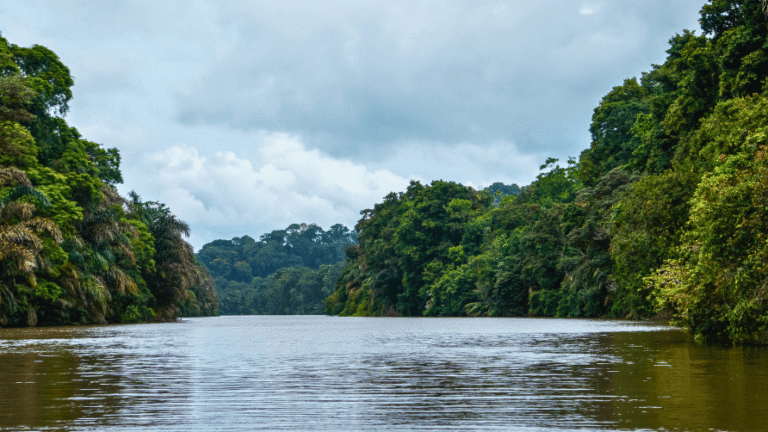
Imagine starting your morning with a fresh tropical smoothie, tossing your gear into the trunk, and cruising down a palm-lined highway toward the Pacific.
Picking up a car rental Quepos Costa Rica sets the stage for an unforgettable adventure, giving you the freedom to explore one of the country’s most beautiful coastlines at your own pace. Quepos is the gateway to Manuel Antonio National Park, where lush rainforest meets postcard-perfect beaches filled with tropical wildlife.
Reserve your vehicle with Adobe Rent a Car and start planning your escape.
You can pick up your rental car after arriving at Juan Santamaría International Airport (SJO) and make the scenic drive from San Jose to Quepos. If you prefer to cut down on drive time, fly domestically to La Managua Airport (XQP). Travelers searching for car rental Quepos Airport Costa Rica can pick up a vehicle at Adobe’s nearby Quepos office.
Renting from a trusted local car rental company like Adobe Rent a Car helps make the experience simple from start to finish. With reliable vehicles in Costa Rica, clear pricing, several rental locations, and different coverage options to choose from, you can spend less time worrying about logistics and more time discovering hidden waterfalls, coastal lookouts, quiet beaches, and sunset spots that larger tour buses may pass by.
Getting ready to rent a vehicle is straightforward. You will need a valid driver’s license issued for at least two years, a valid passport, and a major credit card for the security deposit. If you are an international driver whose license is not written in the Roman alphabet, you will also need an International Driver’s License. Review Adobe’s current car rental requirements before your trip.
Keep the 23-year-old minimum age requirement in mind and choose the right type of car for your plans. Whether you need a compact sedan, SUV, or 4×4, explore Adobe’s rental fleet to compare Quepos rental rates and find the right fit for your trip.
Once you take the wheel, you can explore the beaches, rainforest, wildlife, and warm Pacific atmosphere of Manuel Antonio on your own schedule.
Key Elements
- Driving a Car in Costa Rica from San Jose to Quepos
- Choosing Your Adventure Vehicle: 2WD vs. 4×4
- Manuel Antonio National Park
- Spotting Wildlife on the Trails
- Day Trips Along the Coast
Driving a Car in Costa Rica from San Jose to Quepos
Driving in Costa Rica from San Jose to Quepos is part of the adventure.
The journey usually takes around 2.5 to three hours, depending on traffic, weather, and road conditions. Route 27 carries you west from the Central Valley before connecting with Route 34, the Costanera Sur, which follows the Pacific coast south toward Quepos.
Keep a few practical tips in mind before you set out. Route 27 has toll booths, so it helps to have some Costa Rican colones handy. It is also smart to allow extra time rather than planning your day around the fastest estimated arrival.
As you make your way toward Quepos, the scenery changes quickly. City views give way to green hills, tropical lowlands, and glimpses of the Pacific Ocean. The drive itself becomes part of the experience, especially once you reach the coast.
Choosing Your Adventure Vehicle: 2WD vs. 4×4
Match your rental vehicle to your spirit of adventure—and to where you actually plan to go.
A 2WD sedan or compact SUV like the Hyundai Accent Superior can comfortably handle the paved highways leading to Quepos and Manuel Antonio. You don’t need a 4×4 just to reach the area.
But if your plans include remote beaches, waterfalls, hillside lodges, or vacation rentals reached by steep or unpaved roads, a higher-clearance SUV or 4×4 from Adobe’s fleet is a smart choice.
The beautiful hills around Manuel Antonio and Quepos are home to boutique hotels, eco-lodges, and vacation homes tucked away from the main roads. Some sit along steep or uneven routes, where extra ground clearance and four-wheel drive can make the journey more comfortable.
Weather matters too. During the rainy season, afternoon downpours can make gravel roads slippery. A 2WD or 4WD vehicle can help with traction, but it is still important to slow down, check local conditions, and avoid roads that look unsafe.
Manuel Antonio National Park
Manuel Antonio National Park is one of Costa Rica’s most iconic destinations, famous for blending tropical rainforest with beautiful Pacific beaches.
Despite being one of the country’s smaller national parks, it is packed with biodiversity. Easy-to-follow trails wind through the forest, where visitors may encounter white-faced capuchin monkeys, howler monkeys, squirrel monkeys, sloths, iguanas, and colorful tropical birds.
Wooden boardwalks and forest trails lead toward beaches including Playa Manuel Antonio and Playa Espadilla Sur, where you can trade hiking shoes for sand and sea after exploring the rainforest.
Wildlife sightings are never guaranteed, but hiring a certified local guide can make it much easier to spot animals hiding high in the canopy or tucked among the leaves.
Daily visitor numbers are controlled, so buy your tickets in advance through the official SINAC reservation system. The park is currently closed on Tuesdays, so check the latest hours and entry requirements before you go.
Spotting Wildlife on the Trails
One of the best parts of Manuel Antonio is never knowing what might be hiding just above your head.
Primates of the Canopy
White-faced capuchin monkeys are curious, active, and often easy to spot as they move through the middle canopy. Mantled howler monkeys are usually heard before you see them, while the smaller Central American squirrel monkeys move quickly through the treetops in groups.
Sloths and Forest Mammals
Both two-toed and three-toed sloths live in the area, often resting high in the trees where they are surprisingly difficult to see. White-nosed coatis and agoutis are also common around the forest floor.
Birds and Reptiles
Look up for toucans, aracaris, macaws, and other colorful tropical birds. Iguanas and smaller lizards often bask in sunny sections of the trail or move through the vegetation.
Take your time, keep a respectful distance, and never feed wildlife. This is their home, and part of the experience is seeing them behave naturally.
Day Trips Along the Coast
Renting a car gives you the freedom to explore well beyond the most popular tourist spots.
Head out early toward the Nauyaca Waterfalls area, where dramatic cascades and lush tropical scenery make for a memorable day trip. Continue south to Dominical for a relaxed surf-town atmosphere, broad beach, and casual restaurants.
Farther down the coast, Uvita is home to Marino Ballena National Park and the famous “Whale Tail” sandbar. Depending on tides and conditions, you can walk the beach, explore the sandbar, or join a marine excursion.
Closer to Quepos, smaller beaches and coastal viewpoints offer plenty of reasons to keep your schedule flexible.
That is one of the biggest advantages of having your own car in Costa Rica. You can stop when something catches your eye, linger over lunch, or change your plans when you discover somewhere unexpected.
FAQs
The dry season, generally from December through April on the Central Pacific coast, is popular for beach days, hiking, and outdoor activities.
The rainy season, also called the Green Season, usually runs from May into November. During this time, the landscapes become especially lush, crowds can be smaller, and afternoon showers are more common.
Both seasons can be great times to visit Costa Rica, depending on the experience you want.
Not necessarily. The main highways between San Jose, Quepos, and Manuel Antonio are paved, so a standard 2WD vehicle is suitable for many travelers.
A 4×4 or higher-clearance SUV is useful if your plans include steep roads, remote accommodations, waterfalls, or rural destinations. When booking your car rental Costa Rica, choose the vehicle based on your actual itinerary rather than assuming you need a 4×4 everywhere.
Whenever possible, plan longer or unfamiliar drives during daylight hours.
Many rural roads have limited lighting, and you may encounter sharp curves, pedestrians, cyclists, potholes, wildlife, or sudden weather changes.
Credit and debit cards are widely accepted in tourist areas, restaurants, hotels, and larger businesses.
It is still useful to carry some Costa Rican colones for tolls, small roadside businesses, parking, or other minor expenses.
Adobe accepts only major credit cards or debit cards from major providers like MasterCard and Visa. You’ll also need a major credit card for the security deposit. Review the latest rental requirements and payment information before collecting your vehicle.
The minimum age to rent a car with Adobe is 23.
Drivers must present a valid driver’s license issued for at least two years, along with the required passport or identification.
If your license is not written in the Roman alphabet, you will also need an International Driver’s License.
Yes.
Travelers searching for car rental Quepos Airport Costa Rica can use Adobe’s Quepos office, located in downtown Quepos near La Managua Airport (XQP).
This makes it easy to fly domestically to Quepos, collect your vehicle nearby, and continue on to Manuel Antonio or farther along the Pacific coast.
Costa Rica requires third-party liability protection for rental vehicles, and Adobe offers additional protection options with different levels of coverage in Costa Rica.
Roadside assistance and towing costs depend on the protection package you select, so review the Adobe FAQs carefully before booking.
If you are unsure which option is right for you, ask an Adobe agent to explain what each level covers before you drive away. Email reservas@adobecar.com.
At Adobe Rent a Car, we are proud to be a trusted Costa Rican rental car company with vehicles and rental locations around the country.
Ready for adventure? BOOK NOW!