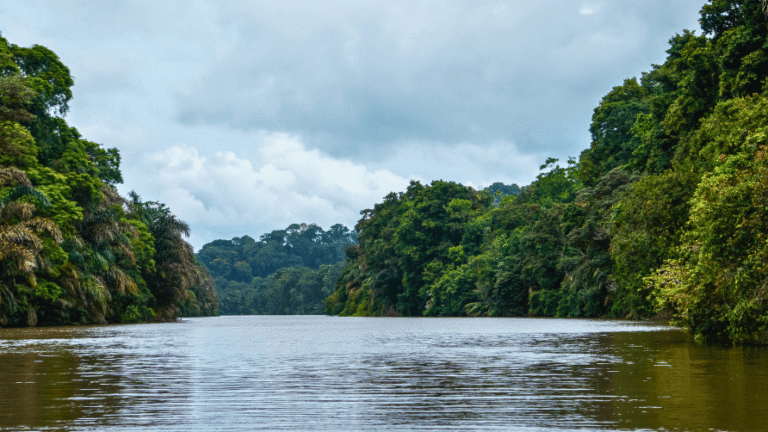
Costa Rica’s vibrant Caribbean Coast is a vast landscape of tropical lowlands, dense jungle, and lush rainforest, interspersed by stunning palm-fringed beaches.
Pertaining to Limón Province, the Caribbean region is the country’s most culturally diverse, shaped by four main groups: Indigenous communities (Bribri and Cabécar), Afro-Caribbean, Chinese, and European/Mestizo—also known as Latino.
Coastal towns such as Puerto Viejo and Cahuita boast a warm, laid-back Afro-Caribbean character, influenced by Jamaican and West Indian immigrants who arrived in the late 19th century to help build the Atlantic Railroad.
Strolling through any one of the Caribbean’s charming beachfront towns, you’ll hear an English-based dialect called Limonese Creole spoken alongside Spanish.
When you visit Costa Rica, the best way to experience the Caribbean Coast is with a rental car. Driving gives you the freedom to explore rainforest-lined roads, visit national parks and wildlife refuges, and discover hidden beaches at your own pace.

Getting There
There are a couple of ways to reach the Caribbean Coast of Costa Rica, depending on your schedule and sense of adventure. Most travelers choose to rent a car and enjoy the scenic drive from San José, which takes approximately 4 to 5 hours via Route 32 through Braulio Carrillo National Park.
Renting a Car & Domestic Flights
Domestic Flights – Flying to Tortuguero or Limón
For those who prefer to skip the drive, domestic flights from San José to Tortuguero or Limón are available. These short flights get you to the coast quickly, and you can arrange a car rental pickup upon arrival.
Renting a Car
A rental car is by far the most practical and rewarding way to explore the Caribbean Coast. With your own vehicle, you can stop at roadside fruit stands, detour to hidden waterfalls, and reach remote beaches that public transport simply doesn’t serve.
Getting Your Adobe Rental Car
Adobe Rent a Car makes it easy to start your Caribbean adventure. Pick up your vehicle at the San José Airport (SJO) or any of our 16 convenient locations across Costa Rica. With unlimited mileage, comprehensive insurance, and 24/7 roadside assistance, you can focus on the journey ahead.

Places to Visit & Things to Do
National Parks, Wildlife Refuges, Rescue Centers & Sanctuaries
The Caribbean Coast is a biodiversity hotspot with some of Costa Rica’s most impressive protected areas. From nesting sea turtles to howler monkeys and sloths, the wildlife encounters here are unforgettable.
Tortuguero National Park
Often called the “Amazon of Costa Rica,” this park is an adventure from the start—you can only reach it by boat or small plane. It’s famous for being one of the most important nesting sites for green sea turtles in the Western Hemisphere.
Cahuita National Park
If you want white-sand beaches paired with vibrant coral reefs, Cahuita is your spot. It’s one of the few places in Costa Rica where you can snorkel right off the beach, exploring the country’s largest coral reef system.
Gandoca-Manzanillo Wildlife Refuge
Located to the south of Puerto Viejo, this refuge is rugged and beautiful. It protects a mix of wetlands, mangroves, and coral reefs, and is home to manatees, dolphins, and nesting sea turtles.
Must-Visit Animal Sanctuaries
Jaguar Rescue Center
Located just a stone’s throw from the popular hotels in Puerto Viejo, this center is a must-visit for animal lovers. Despite its name, it primarily rescues and rehabilitates monkeys, sloths, birds, and reptiles.
Sloth Sanctuary of Costa Rica
As the world’s first sloth sanctuary, these experts on everyone’s favorite slow-moving creatures offer guided tours through the rescue center and surrounding rainforest canals.
Sea Turtle Encounters in Tortuguero
Between July and October, Tortuguero’s beaches come alive with nesting green and leatherback sea turtles. Guided nighttime tours let you witness this incredible natural phenomenon up close.
Jungle Canal Expeditions
The best way to see Tortuguero’s “Amazon of Costa Rica” is from the water. Guided boat tours wind through a network of natural and man-made canals, where you can spot caimans, monkeys, toucans, and river otters.
Must-Visit Caribbean Beaches
With a rental car, you can easily hop between these iconic coastal gems. From the golden sands of Playa Cocles, known for its consistent surf, to the postcard-perfect Playa Manzanillo and the turquoise waters of Punta Uva, the Caribbean’s beaches are diverse and uncrowded.
Places to Stay in Puerto Viejo
Puerto Viejo is one of the top Costa Rica surf towns. When you visit Puerto Viejo, you’ll find lodging for every budget. The hospitality in Puerto Viejo de Talamanca is as diverse as the jungle. Hotels range from luxury eco-lodges to boutique hotels and backpacker hostels.
Road Trip Logistics & Tips
Driving to Puerto Viejo
Ready to hit the road? Here is what you need to know for a smooth trip from San José. The drive takes about 4 to 5 hours via Route 32 through Braulio Carrillo National Park. Leave early to avoid afternoon mountain fog and heavy truck traffic.
A 4×4 vehicle is highly recommended for the Caribbean Coast. While the main highway is paved, many secondary roads to beaches and attractions have deep potholes, especially during the rainy season.
Fill up your gas tank before leaving San José or in Limón, as gas stations become sparse once you head south along the coast toward Puerto Viejo and Manzanillo.
Not always, but a high-clearance SUV is highly recommended. While most of Costa Rica’s primary roads are paved, the Caribbean is famous for deep potholes and unpaved access roads.
Timing is everything. Route 32 is scenic but can be foggy and prone to heavy truck traffic. Leave San José by 1:00 pm to avoid driving through the mountains in the dark or heavy rain. Alternatively, fly to Limón and pick up your car there to skip the long drive.
The Caribbean has its own weather pattern! September and October are the Caribbean’s “mini-summer” with mostly sunny days while the rest of the country is rainy. February through April is another great dry window, though it is busier with travelers.
Never leave valuables visible in your car. Use the trunk and take anything important with you. While Puerto Viejo is generally safe, break-ins can happen at popular beach parking areas.